“How much will it cost?” is almost always the first question, and it is also the one I can never answer honestly over the phone. Not because I am dodging it, but because the honest answer genuinely depends on half a dozen things specific to your house that I cannot see from a phone call. What I can do is walk through exactly what drives the price up or down, so you know what you are actually paying for before a quote lands in your inbox.
The system type is the starting point, not the whole story
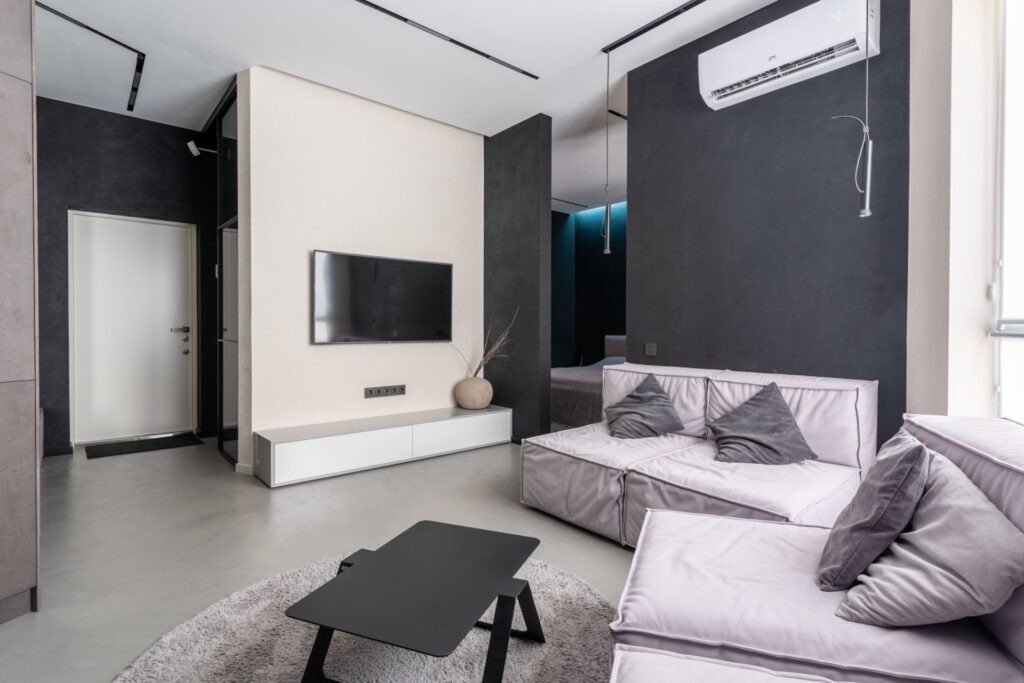
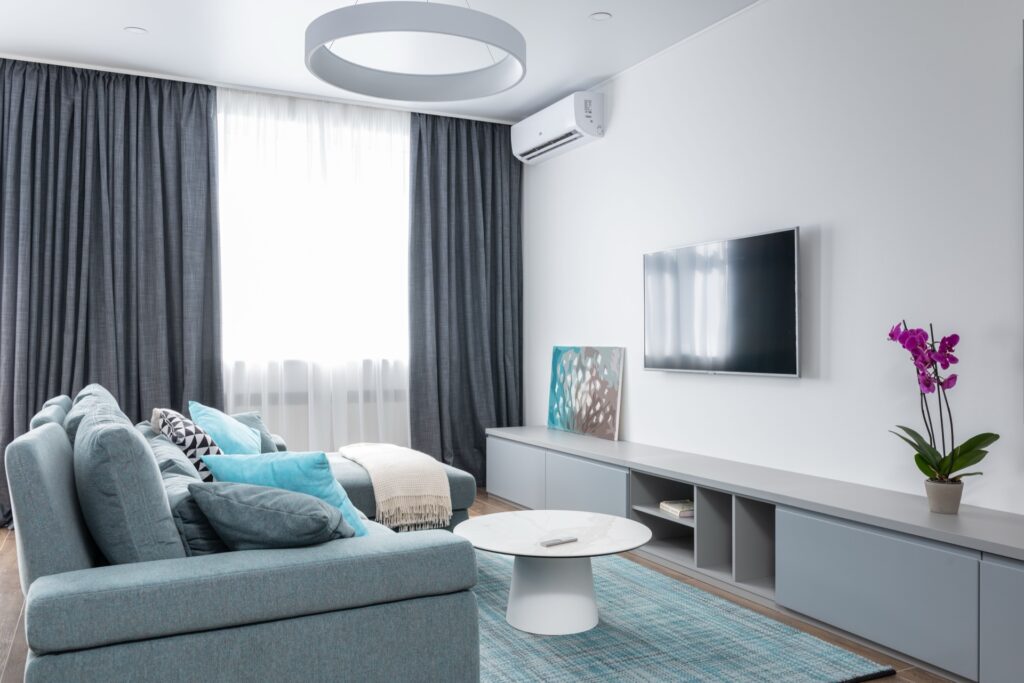
A single split system for one room is the cheapest way into air conditioning, a multi-split system covering several rooms sits in the middle, and a full ducted system for the whole house is the biggest job. That much is obvious. What is less obvious is that two identical-sounding jobs, say two 4-bedroom houses both wanting ducted air con, can land at genuinely different prices once everything else below is factored in.
What actually moves the number
- Capacity, not just system type. A unit sized correctly for your rooms costs what it costs. Going bigger than needed does not cool better, it just costs more to buy and more to run, which is why I do a proper heat-load assessment rather than quoting off a generic size chart.
- Access and install complexity. A single-storey home with an accessible roof space is straightforward. A two-storey home, a home with limited roof access, or a run where the outdoor unit has to sit a long way from the indoor unit all add labour and materials.
- Ductwork design, for ducted systems specifically. Zoning — splitting the house into sections you can cool independently — adds cost up front but saves on running costs for the life of the system, since you are not cooling empty rooms every time the system runs.
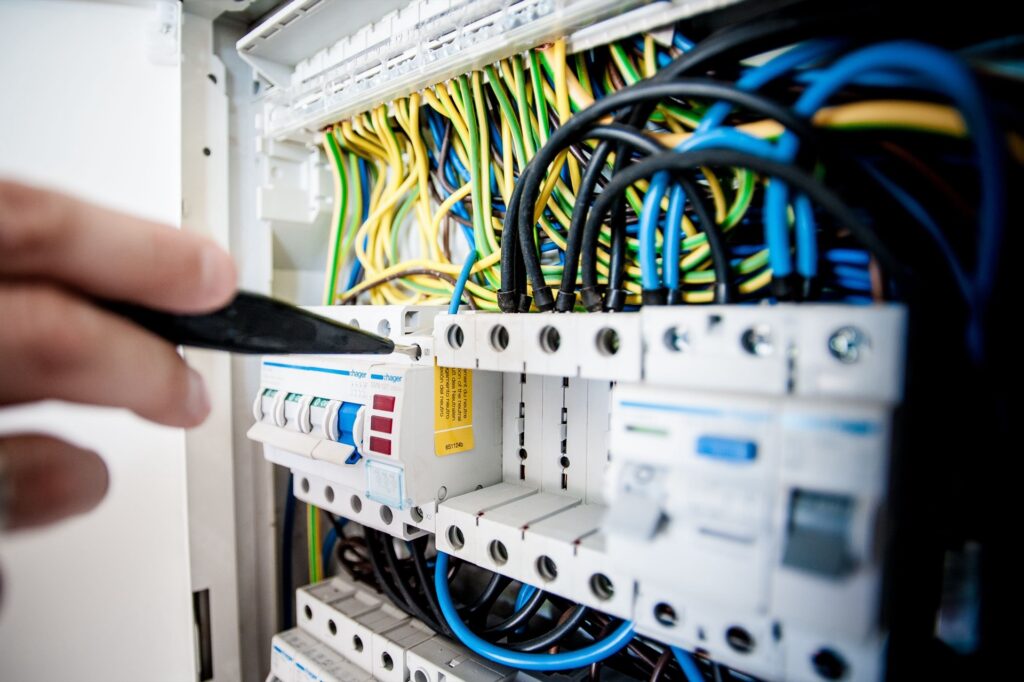
- Existing electrical capacity. If your switchboard cannot handle the new load without an upgrade, that gets identified and quoted as part of the job rather than discovered halfway through installation.
- Brand and unit tier. Like most things, there is a genuine difference between entry-level and premium units in efficiency, noise level and expected lifespan, and it is worth understanding what you are getting for the difference rather than assuming more expensive is automatically better for your situation.
Why Western Sydney conditions matter to the quote, not just the comfort
Because Western Sydney runs 6 to 10°C hotter than the coastal suburbs through summer, with no sea breeze to take the edge off, systems here work harder and longer through the season than the same system would in a coastal suburb. That has a real effect on sizing: undersizing to save money up front tends to cost more over a few summers in running costs and wear, because the unit is constantly working near its limit rather than cycling comfortably. I would rather size it right the first time than have you paying twice.
What a proper quote actually looks like
I come out, look at the rooms or the whole house, check the switchboard, and talk through what you actually want covered and how you use the space. From that I give you a written quote that covers the unit, the installation, and anything else the job needs — not a number that turns into a bigger number once the work has started. If there is a cheaper option that genuinely suits what you need, I will tell you, rather than quoting the bigger job by default.
If you want an actual number for your home rather than a general guide, get in touch and I will come take a look. Refrigerant work on any installation is carried out under ARCtick authorisation.