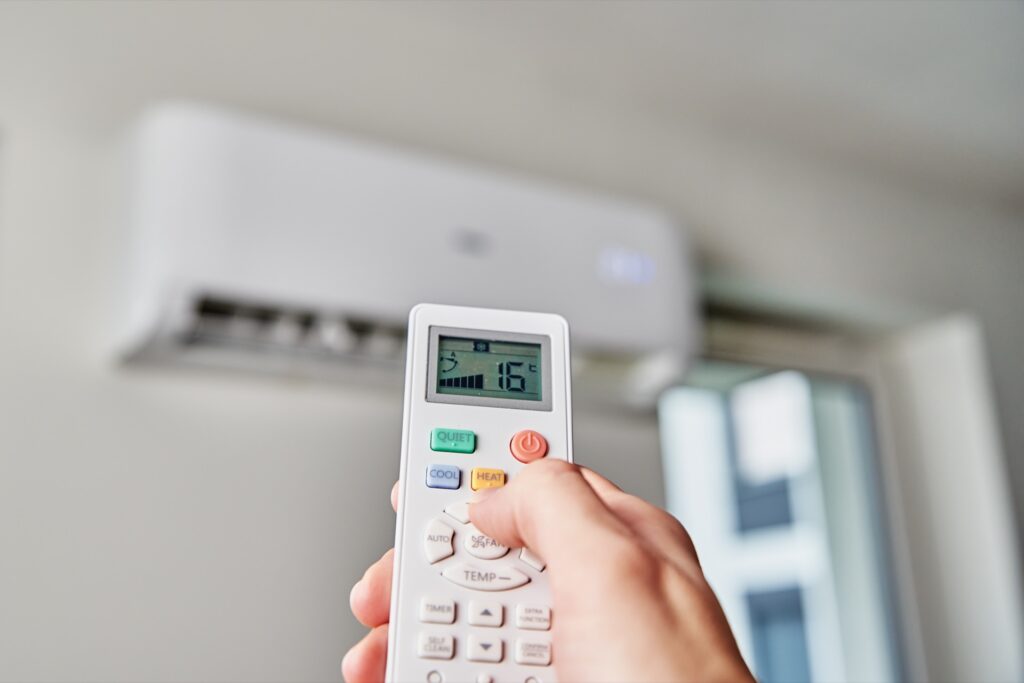
Most people who call me about air conditioning are thinking about summer, which makes sense given how our summers run. But nearly every split and ducted system installed now is reverse-cycle, meaning it heats as well as it cools, and a lot of homeowners do not realise that until well after the unit is already on the wall. It is worth understanding what that actually means for a Western Sydney home before you decide whether it changes what you install.
What reverse-cycle actually does
A cooling-only air conditioner moves heat from inside your home to outside. Reverse-cycle does the same thing in both directions — in winter, it runs the cycle backwards and moves heat from outside into your home, rather than generating heat directly the way a plug-in heater or gas heater does. That is why reverse-cycle systems are so much cheaper to run for heating than most alternatives: they are moving existing heat rather than creating it from electrical resistance.
Why this matters more here than people expect
Western Sydney gets a reputation purely as the hot part of Sydney, and in summer that is fair — we run 6 to 10°C hotter than the coast with no sea breeze to soften it. What gets missed is the other side of that same lack of coastal moderation: our winter mornings get properly cold, often colder and with heavier frost risk than suburbs closer to the harbour, because the same absence of ocean influence that pushes summer heat up also lets winter nights drop further. A house that only has a cooling-only split system is often relying on a plug-in heater or a gas heater through those mornings, which costs more to run than the reverse-cycle system already on the wall would, if it had that function.
Where it makes the most practical difference
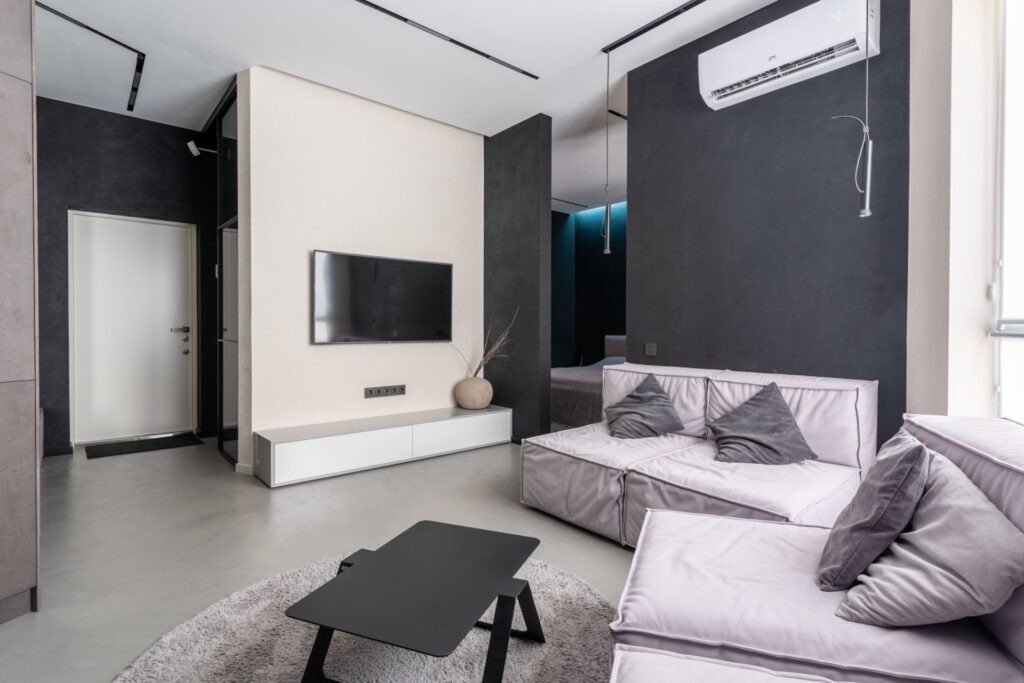
- Bedrooms and living areas used year-round. If a room already has, or is getting, a split system for summer, reverse-cycle means that same unit handles the cold mornings too, rather than adding a separate heater to the room.
- Homes doing a ducted system anyway. Reverse-cycle is close to standard on ducted installs now, and zoned properly, it means winter morning heating for the rooms in use without warming the whole roof space to do it.
- Households moving away from gas. If reducing gas appliances is on your radar for any reason, reverse-cycle air conditioning is the most common practical replacement for gas heating in a home that already has, or is adding, air conditioning.
What it does not do
Reverse-cycle is not automatically the right call for every situation — a home with efficient existing heating and only occasional need for supplementary warmth might not see enough benefit to justify upsizing a system around it. It is also not a reason to undersize a unit for cooling in order to save money assuming winter demand is lighter; the unit still needs to be sized properly for the room and its summer load first, with winter performance following from correct sizing rather than being treated separately.
The honest advice
If you are installing air conditioning in a Western Sydney home for the first time, or replacing an older cooling-only unit, reverse-cycle is worth factoring into the decision rather than treating heating as an afterthought. I will size the system for your rooms, talk through whether reverse-cycle changes anything about what you need elsewhere in the house for heating, and give you a straight answer on whether it is worth the difference for your situation specifically.
Get in touch if you want that conversation for your own home. Refrigerant work is carried out under ARCtick authorisation, and you get a clear written quote before anything is installed.