The switchboard is the one part of a home’s electrical system most people never think about, right up until it starts causing problems. It sits in the garage or a hallway cupboard doing its job quietly for decades, and because it is out of sight, it is easy to miss the signs that it is falling behind what a modern household actually asks of it. Here are the five I see most often around Western Sydney.
1. It still has ceramic fuses
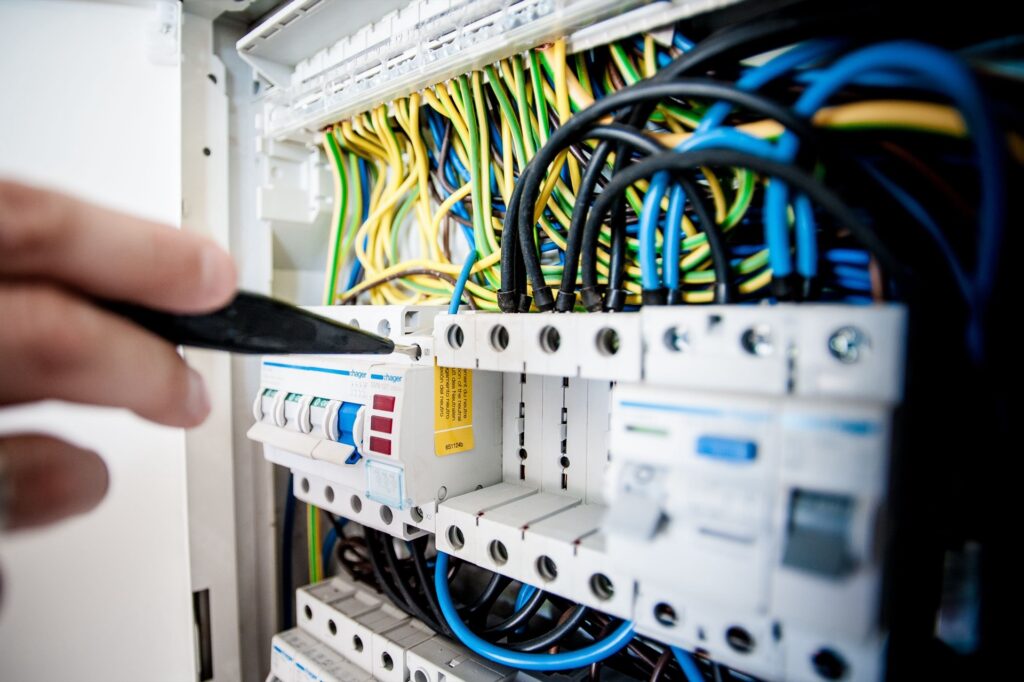
If your switchboard has round ceramic fuses rather than switch-style circuit breakers, it predates a lot of the safety standards we now take for granted. Ceramic fuses do not trip instantly the way a modern circuit breaker does, and a blown fuse gets replaced rather than simply switched back on, which means someone occasionally does the wrong thing and wires in a fuse rated too high “because it kept blowing.” That is one of the more common ways an ageing board becomes a genuine fire risk rather than just an inconvenience.
2. There is no safety switch (RCD)
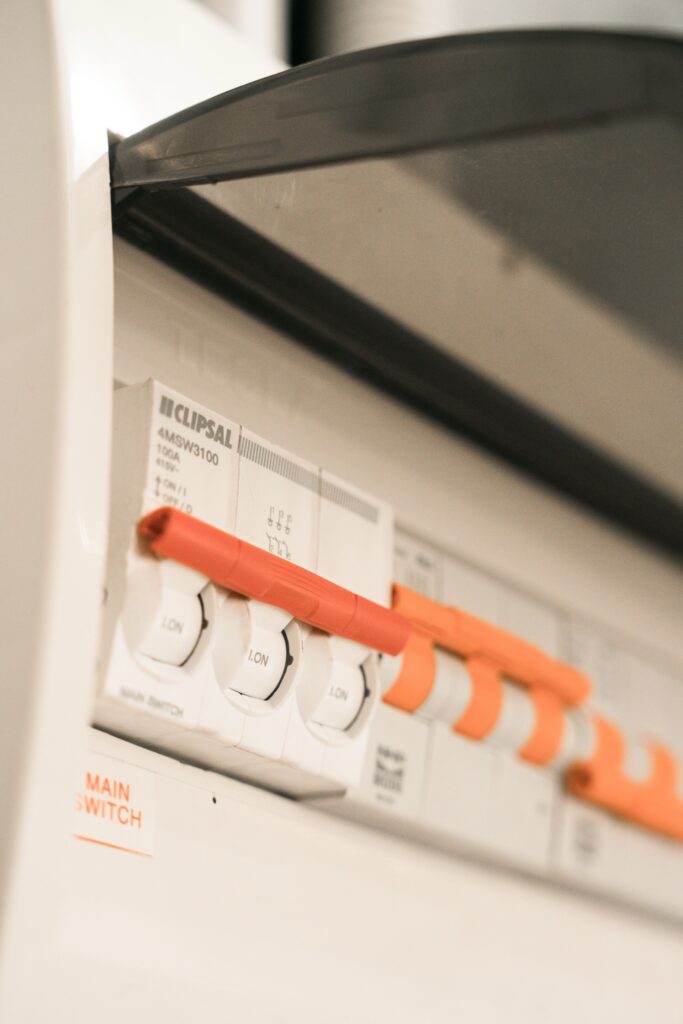
A safety switch is what cuts power fast if there is a fault to earth, and it is the single biggest factor in whether an electrical fault is a minor trip or a serious shock. Homes wired before the mid-1990s were often not required to have them, and plenty of older boards around Penrith and the surrounding suburbs still have none fitted at all, or only on part of the board. You can check yours in ten seconds: find the test button on the switchboard and press it. If it does not trip immediately, that is worth a call regardless of anything else on this list.
3. It trips when you run two appliances at once
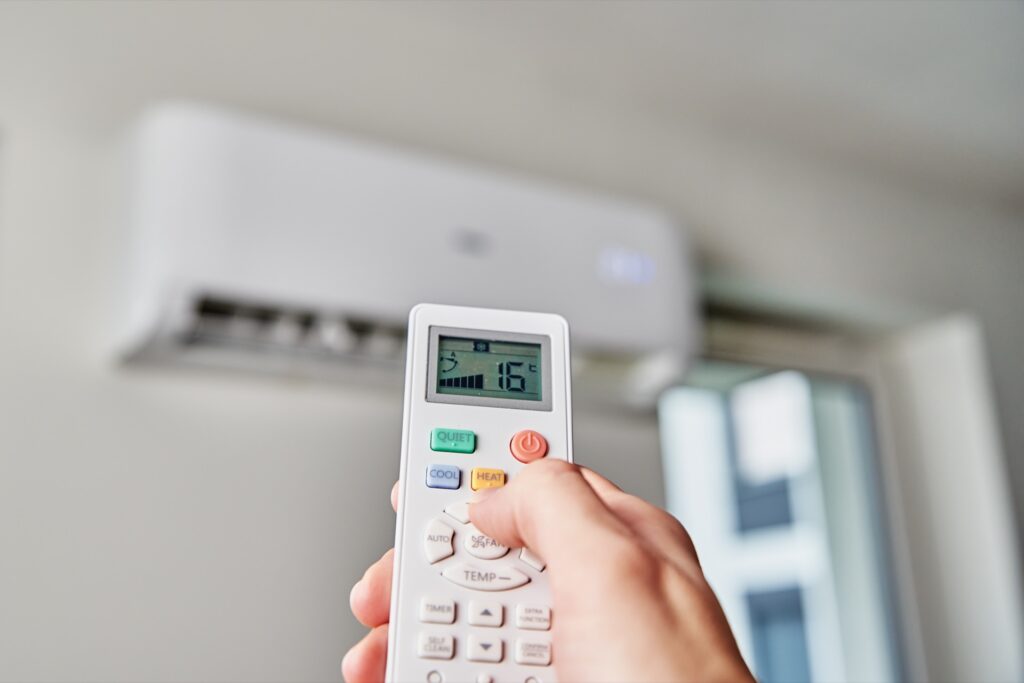
A board that trips every time the kettle, the heater and the microwave are all drawing power together is telling you it does not have the capacity for how the house is actually used now. This gets more common every year as households add air conditioning, EV chargers, and more powered appliances than a board designed decades ago was ever sized for. It is rarely one appliance at fault — it is the board’s total capacity falling short of combined modern demand.
4. You are planning an EV charger, a ducted system, or a big renovation
Adding serious new load to a house — an EV charger, a ducted air conditioning system, or a full renovation with new circuits — is the single most common reason an otherwise-tolerable board suddenly needs attention. It is worth having the board assessed before any of that work goes ahead rather than discovering mid-installation that there is no room left on it, which costs more to fix once the rest of the job is already underway.
5. There is no clear labelling, or you genuinely do not know what’s on it
This one will not cause a fault, but it matters the moment something does go wrong. A board with unlabelled or vaguely labelled circuits means that in an emergency, or when a tradesperson needs to isolate a specific circuit, nobody can quickly tell what actually gets switched off. A modern upgrade includes clear labelling of every circuit as standard, which sounds minor until you are the one trying to find the right switch at 11pm.
What an upgrade actually involves
A switchboard upgrade generally means replacing the old enclosure with a modern one, fitting circuit breakers in place of ceramic fuses, adding safety switches across the board’s circuits, and labelling everything clearly. Most upgrades are done in a day. Cost depends on the size of the home and the state of the existing wiring behind the board, which is why I give a written quote rather than a number over the phone — though a photo of your current board is usually enough for a rough idea before I even visit.
If any of the five signs above sound familiar, it is worth getting the board looked at before it becomes the reason something else goes wrong. I cover switchboard assessments and upgrades across Penrith and Western Sydney, with no scare tactics and no surprises on the invoice.